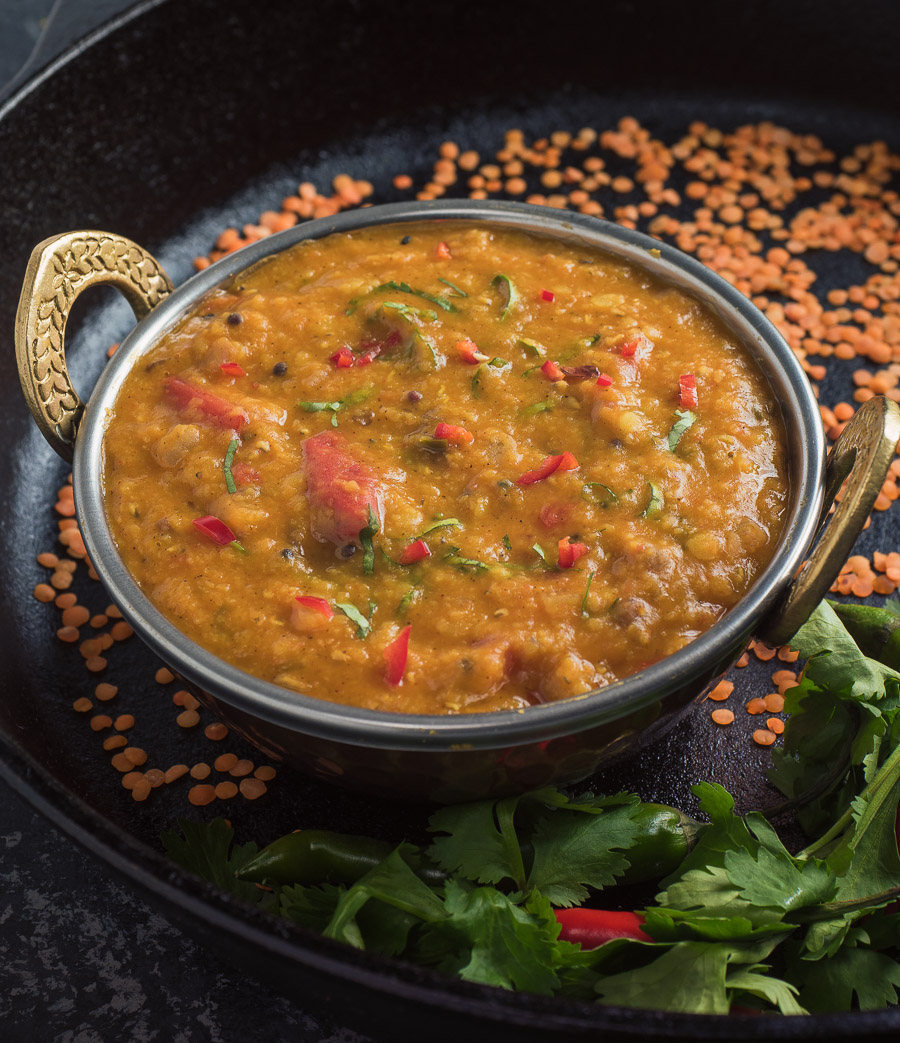
In the vast and diverse culinary landscape of India, where lentils (dal) form the very backbone of countless meals, Bengali Masoor Dal stands out with its distinctive charm and comforting appeal. Far from being just another lentil dish, this Bengali-style red lentil preparation offers a unique sensory experience – a creamy texture, bold, earthy flavors, and a signature use of onion and garlic that sets it apart from its counterparts across the subcontinent. It's a staple in Bengali homes, cherished for its simplicity, nutritional value, and the heartwarming embrace it brings to the dinner table.
While many Indian dals might shy away from the strong aromatics of onion and garlic, Bengali culinary tradition embraces them wholeheartedly in its Masoor Dal, elevating it from a simple pulse to a dish with profound depth. This isn't just a healthy meal; it's a testament to the Bengali approach to cooking, where a few well-chosen ingredients and a specific technique transform the humble red lentil into something truly extraordinary.
What Makes Bengali Masoor Dal So Unique?
The journey to understanding Bengali Masoor Dal begins with appreciating the subtle yet significant differences in Bengali dal preparation. Unlike the thicker, sometimes heavier dals found in North or South Indian cuisine, Bengali dals, and particularly Masoor Dal, are characterized by their lighter, thinner, and more soupy consistency. This allows the inherent flavors of the lentils and the tempering to shine through without being overly dense.
The Bengali Difference in Dal Preparation
- The Thinner Consistency: This lighter texture is a hallmark of Bengali dal, designed to complement steamed rice perfectly, allowing it to be absorbed and enjoyed as a soothing, flavorful gravy.
- The Pivotal Role of Onion and Garlic: Here lies one of the most striking differentiators. In Bengali cooking, Masoor Dal is often treated almost like a "non-vegetarian" dish due to the inclusion of onion and garlic – aromatics typically reserved for meat or fish preparations, or at least not universally applied to all dals. This choice imbues the dal with a robust, savory profile that is deeply satisfying and incredibly flavourful.
- Absence of Tomatoes: Traditional Bengali dals, including Masoor Dal, typically omit tomatoes. This intentional exclusion allows the pure taste of the lentils, tempered spices, and aromatics to dominate, creating a cleaner, more focused flavor profile.
- Simplicity is Key: At its core, the cooking process is elegantly straightforward: boil the dal until tender, then introduce a vibrant tempering (tarka). This minimalist approach belies the complex flavors that emerge from such simple steps.
The Magic of Masoor Dal: Creaminess and Nutrition
Masoor dal, or red lentil, is not just a culinary delight but also a nutritional powerhouse. Comprising approximately 30% protein by calories, it stands among the highest protein-containing pulses. Beyond protein, it's an excellent source of dietary fiber, folate, vitamin B1, and essential minerals. It's a completely wholesome and nutritious food, making Bengali Masoor Dal an ideal choice for a healthy and satisfying meal.
What truly transforms Masoor Dal into the comforting, creamy dish Bengalis adore is the cooking process itself. While general cooking advice often warns against overcooking, something magical happens when masoor dal is cooked until it virtually falls apart. It transitions from distinct individual lentils into a wonderfully soupy, almost puréed consistency. This "cooked to death" method is intentional and crucial for achieving the signature creamy, comforting texture that defines a perfect Bengali Masoor Dal.
The Art of Bengali Tempering: The Tarka Touch
The secret to unlocking the intense flavors of Bengali Masoor Dal, and indeed much of Indian cuisine, lies in the technique of tarka (or tadka) – a process of frying spices and aromatics in hot oil or ghee to release their fat-soluble compounds and infuse them into the dish. This method sets Indian cooking apart, where lentils are cooked minimally and then brought to life with a separately prepared tarka.
Beyond Boiling: The Tarka (or Tadka)
Unlike Western cooking methods that might combine all ingredients from the start (think of a vegetarian chili), Indian culinary tradition often cooks the main component (like dal or vegetables) with minimal seasoning. The true flavor infusion comes at the end, when a vibrant mixture of spices, herbs, and aromatics is fried in hot fat until fragrant, and then poured over the cooked dish. This process, known as tarka, is non-negotiable for authentic Indian flavors. The heat of the oil (or ghee) extracts the deep, complex flavors from the spices that water alone cannot achieve.
Panch Phoran: The Quintessential Bengali Spice Blend
Central to the Bengali tarka, especially for dishes like Bengali Masoor Dal: Unique Red Lentil Soup with Tarka & Lemon, is a unique whole spice blend called Panch Phoran. This translates to "five spices" and is a staple in Bengali kitchens, offering a distinctive aroma and taste that immediately signifies Bengali cooking. The blend typically consists of:
- Fenugreek seeds (methi)
- Nigella seeds (kalonji)
- Cumin seeds (jeera)
- Mustard seeds (rai)
- Fennel seeds (saunf)
Mustard seeds, in particular, play a significant role in Bengali cuisine, often contributing a pungent, earthy "double blast" of flavor. If authentic Panch Phoran isn't readily available, a highly effective substitute for Bengali Masoor Dal can be created with a half-and-half mix of mustard seeds and cumin seeds, still yielding a delicious and aromatic tempering.
Flavor Enhancers and Serving Suggestions
While the core ingredients and the tarka provide the foundation, certain additions can further elevate the flavor profile of Bengali Masoor Dal, transforming it into an unforgettable dish.
The Zest of Lemon Leaves
For many Bengalis, the aroma of a special "flavorful lemon" (like Gondhoraj Lebu, a highly aromatic lime) is deeply nostalgic. Incorporating fresh lemon leaves into the dal, as described by some grandmothers' recipes, adds an unparalleled citrusy, floral note that brightens the entire dish. While this specific lemon variety might be hard to find outside West Bengal, the leaves can sometimes be sourced in local Chinese or Asian markets. Alternatively, a squeeze of fresh lime juice or a tiny bit of lemon zest added at the end can provide a similar uplifting freshness.
Serving Bengali Masoor Dal
Bengali Masoor Dal is incredibly versatile and pairs beautifully with a variety of accompaniments. Its primary role is often as a comforting side dish to steaming hot white rice, allowing the dal to be spooned over the grains, creating a wholesome and deeply satisfying meal. Beyond rice, it can also be enjoyed with:
- Roti or Chapati: For a lighter, bread-based meal.
- As a light soup: On its own, especially during cooler weather or when seeking something warm and soothing.
- Alongside fried fish (mach bhaja) or vegetable stir-fries (shobji bhaja): These traditional Bengali pairings create a balanced and flavorful spread.
The comforting nature and wholesome goodness of Mastering Bengali Masoor Dal: The Art of a Protein-Packed Soupy Dal make it a beloved dish for both everyday meals and special occasions.
Why Bengali Masoor Dal Belongs in Your Kitchen
Embracing Bengali Masoor Dal means inviting a world of flavor, nutrition, and comfort into your home kitchen. It’s more than just a recipe; it’s an experience that connects you to generations of culinary wisdom and a culture that values simplicity and robust taste.
- Health Benefits Galore: Packed with protein, fiber, and essential vitamins and minerals, it's a dish that nourishes your body while delighting your palate.
- Ease of Preparation: Despite its complex flavor, the cooking process is remarkably straightforward – a simple boil followed by an aromatic tempering is all it takes.
- Unforgettable Flavor Profile: The creamy texture, the savory depth from onion and garlic, the unique aroma of Panch Phoran, and the refreshing hint of lemon all combine to create a truly distinctive and utterly delicious dal.
- Versatility: Whether it’s the main component of a vegetarian meal, a hearty side, or a light, soothing soup, Bengali Masoor Dal adapts beautifully to various dining needs.
If you appreciate the humble lentil and are looking for a dish that offers creamy texture and bold flavors, Bengali Masoor Dal is an absolute must-try. It’s a testament to how simple ingredients, combined with thoughtful technique, can create something truly extraordinary and incredibly satisfying.
In conclusion, Bengali Masoor Dal is a culinary gem that deserves a place on every table. Its distinctive thin consistency, the clever use of onion and garlic, the aromatic kick of Panch Phoran, and its undeniable creamy texture all contribute to a rich tapestry of flavors that are both unique and deeply comforting. It’s healthy, easy to make, and profoundly delicious. We encourage you to discover the magic of this protein-packed, flavorful red lentil soup and make it a cherished addition to your recipe repertoire.
