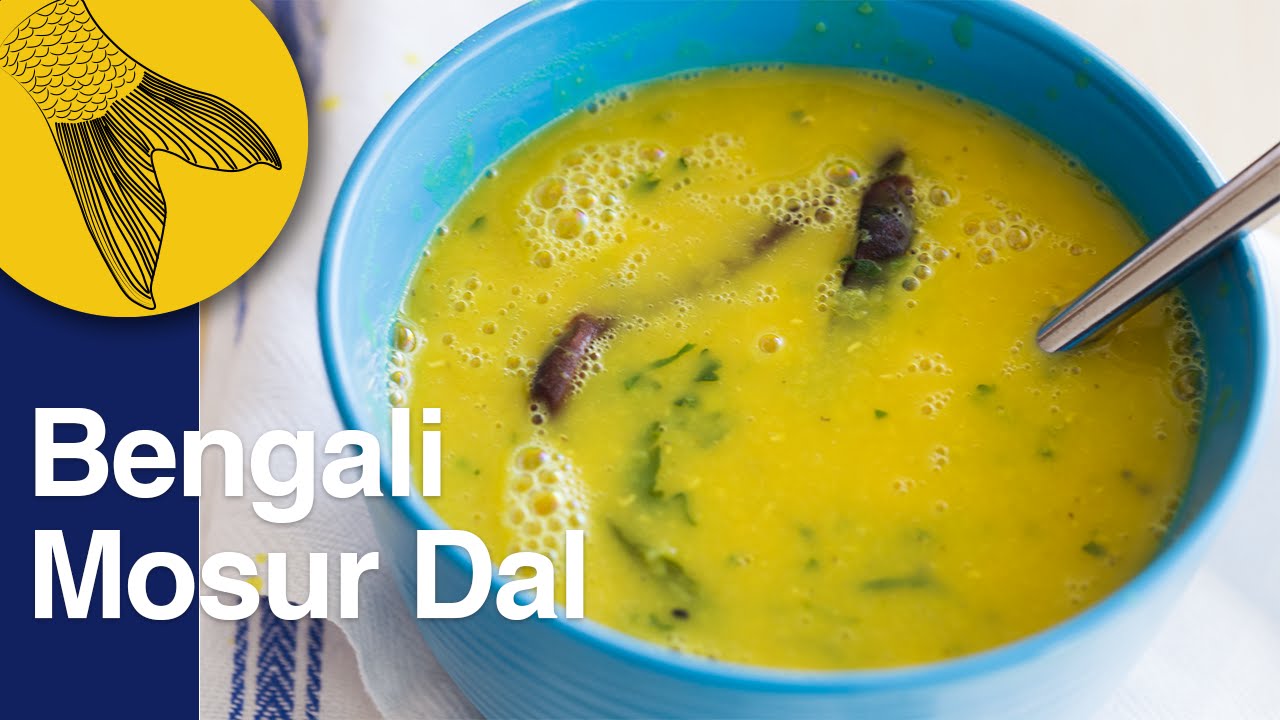
Mastering Bengali Masoor Dal: The Art of a Protein-Packed Soupy Dal
In the vibrant tapestry of Indian cuisine, dal holds an undisputed place, a daily staple that nourishes millions. Yet, within this vast category, each region weaves its own unique culinary magic. Among them, Bengali Masoor Dal stands out – a quintessential red lentil soup that redefines comfort food with its distinctive thin consistency, bold flavors, and remarkable protein punch. Far from the thicker, often more complex dals found elsewhere on the subcontinent, Bengali Masoor Dal offers a delightful simplicity coupled with profound depth, making it an essential dish for anyone exploring the rich flavors of Bengal.
This isn't just another lentil dish; it's a culinary experience. Imagine a bowl of creamy, bright orange lentils, simmered to perfection until they melt into a velvety soup, then awakened by an aromatic tempering of spices. It's healthy, wholesome, and undeniably delicious, embodying generations of culinary wisdom. Let's delve into what makes this humble red lentil preparation a true masterpiece.
The Distinctive Charm and Cultural Nuances of Bengali Masoor Dal
What sets Bengali Masoor Dal apart from its pan-Indian counterparts? Several key characteristics contribute to its unique identity:
- A Thinner Consistency: Unlike the often hearty and thick dals of North or South India, Bengali dals, particularly Masoor Dal, are notably thinner and more soupy. This lighter texture makes it an ideal accompaniment to steamed rice, allowing the dal to generously coat each grain without overwhelming the palate.
- The Unique Embrace of Onion and Garlic: In a curious culinary twist, Bengali cuisine largely eschews onion and garlic in most of its dal preparations. However, Bengali Masoor Dal is the grand exception. This inclusion is so distinctive that Masoor Dal is sometimes colloquially referred to as the "non-vegetarian" dal among Bengalis, not because it contains meat, but because onion and garlic are typically reserved for non-vegetarian dishes in their cooking tradition. This flavor profile adds a depth and richness that is simply irresistible.
- The Absence of Tomatoes: Another defining feature is the traditional absence of tomatoes. While many Indian dals rely on tomatoes for a touch of tang and body, Bengali Masoor Dal achieves its delicate balance of flavors without them, relying instead on other acidic elements like lemon or lime to brighten the dish.
- Simplicity at its Core: The basic preparation is deceptively simple: boil the lentils until tender, then introduce the magic through a technique called 'tarka' or tempering. This elegant approach allows the natural flavors of the lentils to shine, enhanced by carefully chosen aromatics.
Masoor dal itself is an edible pulse, renowned for its nutritional value. Approximately 30% of its calories come from protein, making it one of the most protein-rich plant-based foods. It's also packed with dietary fiber, folate, vitamin B1, and essential minerals, making it a completely safe, wholesome, and nutritious addition to any diet.
Unlocking Flavor: The Art of the Tarka (Tempering)
The true soul of Bengali Masoor Dal, and indeed much of Indian cooking, lies in the 'tarka' or 'tempering'. This technique is a game-changer and a fundamental departure from Western cooking methods. While many Western recipes advocate for cooking beans and aromatics together in one pot, Indian cuisine often separates these processes.
Here’s how it works:
- The lentils are cooked separately, usually with just water and a pinch of salt and turmeric, until they reach the desired creamy consistency.
- Concurrently, the aromatics and spices are fried separately in hot oil or ghee. This crucial step is where culinary alchemy happens. Many spices contain fat-soluble compounds that release their full aroma and flavor only when heated in fat. This process, known as tempering, doesn't work with water; it has to be fat. It’s this deep extraction of flavor that gives Indian dishes their unparalleled complexity and depth.
- Finally, at the last minute, the fragrant tarka is stirred into the cooked dal, creating a harmonious blend of textures and tastes.
For Bengali Masoor Dal, the tarka is particularly special. It often features the quintessential Bengali spice blend, panch phoran. This five-spice mix typically includes whole cumin seeds, fennel seeds, fenugreek seeds, nigella seeds (kalonji), and mustard seeds. Mustard seeds, in particular, play a significant role in Bengali cooking, lending a sharp, pungent kick that is characteristic of the region. If panch phoran isn't readily available, a blend of half mustard seeds and half cumin seeds can provide a delicious, albeit slightly different, approximation.
Beyond panch phoran, the tarka for Bengali Masoor Dal will almost always include finely chopped onion and garlic, fried until golden and fragrant. Whole dried red chilies and a sprig of fresh curry leaves might also be added for an extra layer of aroma and heat. Mastering the tarka is key to truly elevating your Bengali Masoor Dal to an authentic and unforgettable experience.
The Magical Transformation: Achieving the Perfect Soupy Texture
While many lentil dishes aim for distinct, tender lentils, Bengali Masoor Dal encourages a different philosophy: cooking the lentils "to death," as some might playfully put it. And trust us, something truly magical happens when you embrace this approach with masoor dal.
When split red lentils are cooked beyond the point of being merely tender, they undergo a wonderful transformation. They lose their individual form, breaking down completely to create a thick, creamy, almost velvety "soupy mess of wonderful." This isn't a mistake; it's the very essence of the dish's appeal. The resulting texture is incredibly comforting, allowing the dal to meld seamlessly with rice and soak up all the vibrant flavors of the tarka.
Tips for Achieving Creamy Perfection:
- Pre-Soak (Optional but Recommended): A quick 15-20 minute soak can help the lentils cook more evenly and break down faster.
- Adequate Water: Use enough water to ensure the lentils have space to simmer and soften without drying out. The initial ratio might be around 1 cup of dal to 3-4 cups of water, but you can adjust later.
- Simmer, Don't Boil Violently: Once boiling, reduce the heat to a gentle simmer. This allows the lentils to slowly break down and become creamy.
- Whisking: After the lentils are very soft, a quick whisk with a fork or a traditional dal ghotni (a wooden whisk) can help break down any remaining whole lentils and achieve that signature smooth, soupy consistency.
- Adjust Consistency: If the dal becomes too thick after cooking, you can always thin it with a little hot water, stirring well to combine.
Nutritional Powerhouse and Culinary Versatility
Beyond its incredible flavor, Bengali Masoor Dal is a nutritional champion. As a high-protein legume, it's an excellent choice for vegetarians and anyone looking to boost their protein intake. The significant dietary fiber content promotes digestive health and contributes to a feeling of fullness, aiding in weight management. Rich in folate, vitamin B1 (thiamine), and various minerals like iron and potassium, it supports overall well-being, from energy production to red blood cell formation.
This wholesome dal forms the backbone of countless Bengali meals. It is almost universally served with steamed rice, often accompanied by a simple stir-fried vegetable (bhaja or sabzi) and perhaps a fried fish or egg for those who enjoy non-vegetarian fare. The contrasting textures and flavors create a perfectly balanced meal.
A final touch that elevates Bengali Masoor Dal to new heights of freshness is the addition of a squeeze of fresh lemon or lime juice just before serving. Some traditional recipes, particularly those passed down through generations, even incorporate a few fragrant lemon leaves into the tarka, infusing the dal with an unparalleled citrusy aroma that is both subtle and invigorating. This bright acidity cuts through the richness and adds a vibrant zing that truly awakens the palate.
Conclusion
Bengali Masoor Dal is more than just a lentil soup; it's a testament to the power of simple ingredients transformed by mindful cooking techniques into something truly extraordinary. Its thin, soupy consistency, the distinctive use of onion and garlic, the magic of the tarka with panch phoran, and the final flourish of fresh lemon all combine to create a dish that is deeply comforting, incredibly flavorful, and packed with nutrition. Whether you're a seasoned chef or a curious home cook, mastering Bengali Masoor Dal is a rewarding journey that promises to bring a truly unique and delicious taste of Bengal into your kitchen. So, gather your ingredients, embrace the art of the tarka, and prepare to fall in love with this protein-packed, soupy delight.
